Dry and Damaged Hair Treatment – Learn How to Repair and Care for Rough, Frizzy Hair
Dry, rough, and frizzy hair is a common concern among people of different ages. Frequent heat styling, chemical treatments, environmental exposure, and unsuitable hair care products can leave hair looking dull and difficult to manage. Choosing an effective Dry and Damaged Hair Treatment can help improve softness, reduce breakage, and make hair easier to maintain.
Healthy-looking hair depends on proper cleansing, conditioning, moisture retention, and protection from unnecessary damage. When the outer protective layer of the hair becomes damaged, strands may feel rough, tangle easily, and develop split ends. Understanding these changes is important before selecting expensive treatments or salon services.
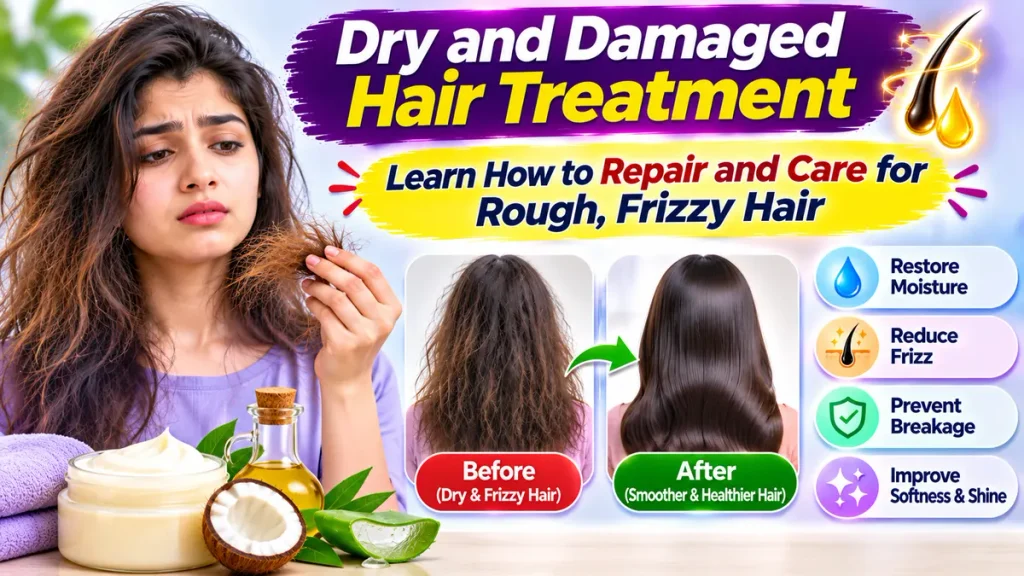
Fortunately, several Frizzy Hair Treatment and Hair Repair methods can improve the appearance and manageability of damaged hair. This guide explores common causes, conditioning treatments, daily hair care routines, and practical ways to protect dry hair from further damage.
What Causes Dry and Damaged Hair?
Hair becomes dry when its strands lack adequate lubrication or lose moisture easily. Damage may also develop when the protective cuticle becomes worn.
Common causes include:
- Frequent blow-drying and straightening.
- Chemical colouring and bleaching.
- Harsh washing practices.
- Excessive brushing or friction.
- Sun and environmental exposure.
- Repeated tight hairstyles.
- Inadequate conditioning.
- Certain scalp or medical conditions.
Some people naturally have drier hair because of their hair texture.
Identifying the main cause helps determine suitable care.
Common Signs of Hair Damage
Dry or damaged hair may show several noticeable changes.
These include rough texture, excessive tangling, frizziness, reduced shine, split ends, and increased breakage.
Hair may also become difficult to style or feel brittle after washing.
However, not every frizzy hairstyle indicates unhealthy hair. Natural curls and textured hair can appear frizzy even without significant damage.
Persistent scalp symptoms or unusual hair loss require separate medical evaluation.
Best Treatments for Dry and Damaged Hair
1. Moisturizing Conditioner
Conditioner is an important part of managing dry hair.
Conditioning products help reduce friction between strands, improve softness, and make detangling easier.
Potential Benefits:
- Improves hair manageability.
- Reduces friction-related breakage.
- Makes hair feel smoother.
- Helps control visible frizz.
Apply conditioner after shampooing, concentrating on the lengths and ends.
Choose a formula suitable for your hair texture.
2. Deep Conditioning Hair Mask
Deep conditioning masks are designed to provide additional conditioning for dry or rough strands.
They often contain oils, fatty alcohols, conditioning agents, and other ingredients that improve hair feel.
Potential Benefits:
- Softens rough hair.
- Improves detangling.
- Reduces temporary dryness.
- Makes styling easier.
Use the product according to its instructions.
Deep conditioning improves appearance but cannot permanently restore severely damaged hair.
3. Leave-In Conditioner and Hair Serum
Leave-in conditioners provide additional lubrication and help reduce tangling after washing.
Hair serums may temporarily smooth the hair surface and reduce humidity-related frizz.
These products are particularly useful for dry ends.
Apply small amounts gradually to avoid excessive buildup.
4. Professional Hair Treatments
Some salons offer conditioning, bond-building, and smoothing treatments.
Certain products may temporarily improve the strength or appearance of chemically damaged hair.
However, results depend on the formulation and condition of the hair.
Chemical straightening treatments may introduce additional damage, making professional consultation important.
Dry and Damaged Hair Treatment Comparison Table
| Treatment | Main Benefit | Important Consideration |
|---|---|---|
| Moisturizing Conditioner | Softness and detangling | Use after shampooing |
| Deep Conditioning Mask | Additional conditioning | Results are temporary |
| Leave-In Conditioner | Frizz and breakage control | Apply suitable amounts |
| Hair Serum | Smooth appearance | Does not reverse structural damage |
| Bond-Building Treatment | May improve selected types of damage | Effectiveness varies |
| Hair Trimming | Removes existing split ends | Does not accelerate growth |
Step-by-Step Hair Care Routine
A consistent routine can help protect fragile hair.
Step 1: Select a Gentle Shampoo
Choose a cleanser suitable for your scalp and washing frequency.
Step 2: Wash the Scalp Gently
Massage shampoo into the scalp without aggressively rubbing hair lengths.
Step 3: Apply Conditioner
Condition the lengths and ends after washing.
Step 4: Detangle Carefully
Use a wide-tooth comb and avoid pulling through stubborn knots.
Step 5: Dry Without Excessive Friction
Gently squeeze out water using a soft towel or microfiber fabric.
Step 6: Apply Leave-In Care
Use a suitable leave-in conditioner or serum when needed.
Step 7: Minimize Heat Styling
Allow partial air-drying and select lower temperatures when styling tools are necessary.
Can Natural Oils Improve Dry Hair?
Natural oils may help condition hair and reduce friction.
Coconut oil has some evidence supporting its ability to reduce protein loss from hair under certain conditions.
Other oils may improve softness or shine.
However, oils cannot permanently repair split ends or reverse severe chemical damage.
Apply products according to hair type and personal tolerance.
Avoid irritating essential oils or excessively hot oil treatments.
Daily Habits for Healthier Hair
Small changes can help reduce preventable damage.
Avoid brushing aggressively or repeatedly throughout the day.
Use loose hairstyles instead of constantly pulling hair tightly.
Limit frequent bleaching and chemical straightening.
Protect hair from unnecessary heat.
Choose hair accessories that do not snag or pull strands.
After swimming, rinse hair and follow with suitable cleansing and conditioning.
These practices support healthier-looking hair over time.
Can Damaged Hair Be Permanently Repaired?
Hair strands consist primarily of keratin and cannot biologically heal themselves after emerging from the scalp.
Conditioners, serums, and selected repair products may temporarily improve texture, strength, and appearance.
However, severely split or broken ends generally require trimming.
New hair grows from follicles, so protecting existing strands and maintaining scalp health are important.
Results vary depending on the extent and cause of damage.
When Should You Consult a Dermatologist?
Consider professional evaluation if dryness occurs alongside significant hair loss, scalp pain, persistent itching, redness, or scaling.
Medical conditions and scalp disorders may sometimes contribute to unusual hair changes.
A dermatologist can identify underlying problems and recommend appropriate treatment.
Frequently Asked Questions (FAQs)
1. What is the best treatment for dry and damaged hair?
Gentle cleansing, regular conditioning, reduced heat exposure, and suitable leave-in products can improve manageability and minimize further damage.
2. Can damaged hair become healthy again?
Conditioning treatments may improve appearance, but severely damaged strands cannot completely restore their original structure.
3. How can I reduce frizzy hair naturally?
Gentle handling, appropriate conditioning, reduced friction, and limited heat styling may help control frizz.
4. Is coconut oil good for dry hair?
Coconut oil may improve conditioning and reduce certain forms of hair damage, although results vary.
5. How often should I use a hair mask?
Frequency depends on the product and hair condition. Follow manufacturer instructions and adjust according to your hair’s response.
6. Can split ends be repaired permanently?
No. Products may temporarily smooth split ends, but trimming is generally needed to remove them.
Conclusion
Finding an effective Dry and Damaged Hair Treatment begins with understanding the causes of dryness, breakage, and frizz. Regular conditioning, gentle washing, reduced heat styling, and appropriate hair products can improve softness and manageability.
Moisturizing conditioners, hair masks, leave-in products, and selected professional treatments offer different benefits. Choose products according to your hair type, maintain realistic expectations, and seek professional advice when unusual scalp symptoms or persistent hair problems develop.
Disclaimer
This article is provided for general educational and informational purposes only and does not constitute medical advice, diagnosis, or personalized treatment. Hair texture, dryness, breakage, and treatment responses vary between individuals. Conditioning products and salon treatments may improve the appearance of damaged hair but cannot guarantee permanent structural repair. Some products may cause irritation or allergic reactions. Readers should follow product instructions and consult a qualified dermatologist for persistent scalp problems, unusual hair loss, or significant hair damage. No particular product or treatment guarantees completely smooth, frizz-free, or permanently repaired hair.